

Random vernal affinities
Marchlike

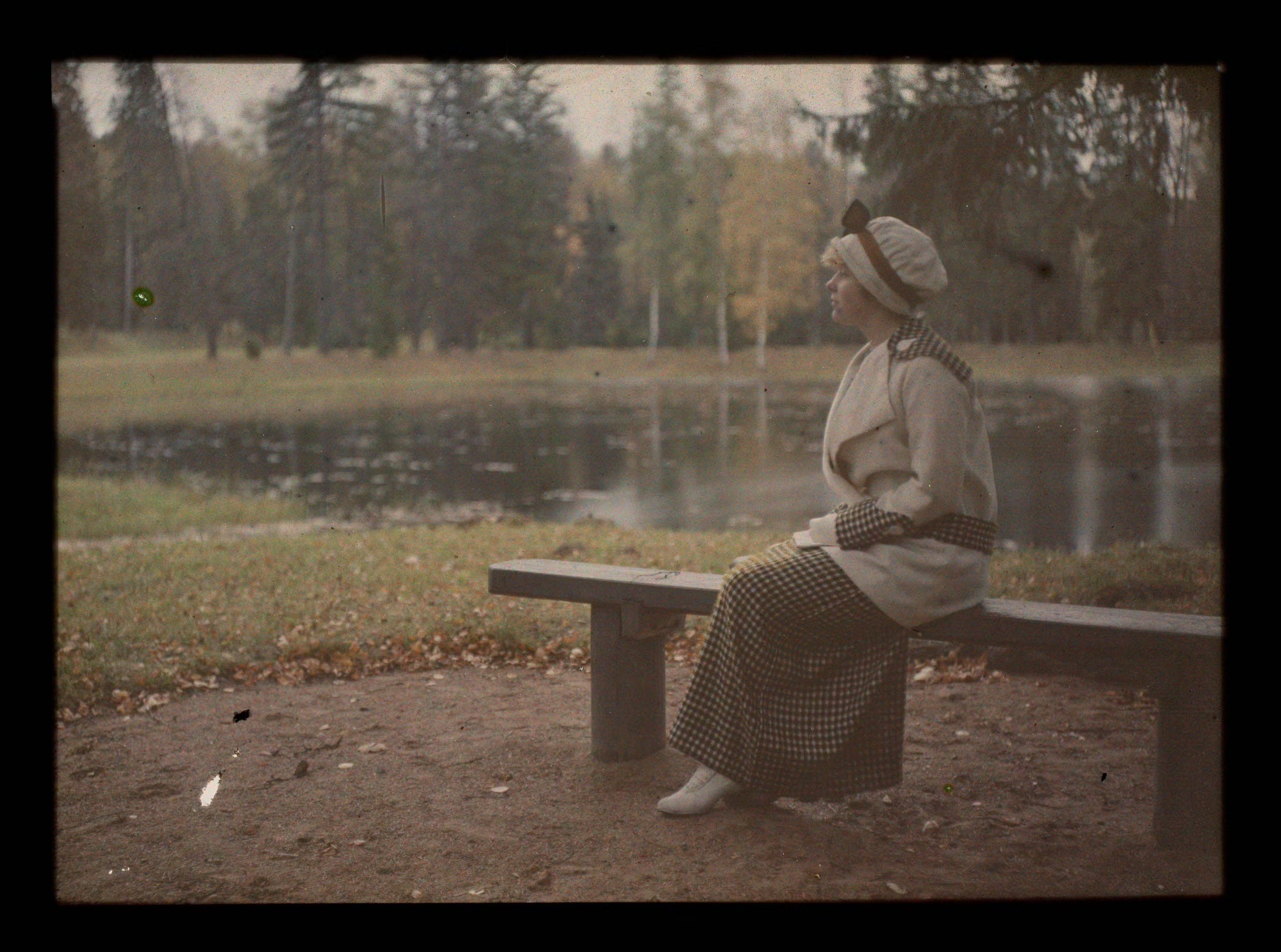
I don’t really organize my reading according to a strategy; I come across one book through another and read them in succession, pick something off the shelf that I’ve neglected, follow a recommendation or take what’s available at the library. Though I don’t believe this to be either superior or inferior to a more systematic method, something I like about an unstructured structuring principle is that it facilitates surprise. I was surprised and maybe disproportionately delighted by the fact that two of the books I started reading in the first days of the month swiftly revealed that they, as we, too, are now, are set in March. Season abstractly interests me and might be one of few factors that will prompt me to prioritize or postpone a given book. The correspondence doesn’t have to be calendrical but has more to do with
ambient spirit
alignment over assignment
temperature becoming temperament
etc. etc
One March mention was in Vicki Baum’s Grand Hotel. I love to read about hotels just like I love to write, think about and go to them... Baum’s reference to the month is slight but it contributes to her image of Berlin:
Outside the window there was a chill March rain, a smell of gasoline, and the sound of automobile traffic. Opposite, an electric sign in red, blue and white letters occupied the whole building façade. As soon as it had run along to the end it began again at the beginning. Kringelein watched it for six minutes. Down below in the street there was a medley of black umbrellas, light-coloured stockings, yellow buses and street lamps.1
Baum’s nod to March adds, in particular, to a transitory quality already effective in her description: the busyness of the city, pedestrians and vehicles criss-crossing, lights glinting off of oil-slicks and rainwater. It furthers the sense of cyclicality focalized in the sentence, “As soon as it had run along to the end it began again at the beginning.” This ceaseless repetition has an air of meaninglessness, but is in actuality highly organized and organizing. March to me epitomizes a similar kind of turnover, winter’s reserve suddenly populated with the frenetic, almost uneasy activity of spring. Isolating this moment, this movement, is apt in Baum’s text, for in no place quite like a hotel is transience encountered.
I met with a second March in “Amras,” a Bernhard novella published 1964 (though said, apparently, to remain his favourite book twenty years later):
Our watchfulness weighed upon our mood and constricted our understanding… We did not look out of the windows, but we heard enough sounds to be afraid… Our heads, when we stuck them into the open, were exposed to the vicious gusts of the foehn; the welter of air hardly left us room to breathe… It was early March…2
A few pages later there is further specification of this “earliness” that charmed me so much because it reads “that third of the month,” and, naturally, I was reading it on the third of this same month of March. “Marchlike” makes me smile because I always enjoy this specific breed of nearly-tautological expression, i.e., something being “like” what it in any case is. It is March but the atmosphere, also, is Marchlike. It befits itself. As below,
…into the days preceding our suicide and our attempted suicides, into the Marchlike, sweltering atmosphere that had never once for a single moment been for us, always only against us; ever more solemn, more inclined towards death: All afternoon of that third of the month, which suddenly seemed so propitious to all of us, we had waited only for darkness to fall as if at our behest, that it be over, that with the daylight we too, parents, sons, gone…3
The month progresses and displays the caprice typical to the interstice of two seasons,
The weather all at once obstinately enveloping the tower in those latter days of March consisted, self-importantly, of myriad contradictory moods, mutations, revolutions, explosions…4
“Amras” also includes journal entries from the character Walter. Their dates, implicitly, dot throughout the month of March. Some selections:
13th. The rain casts a pall over everything… Above three thousand feet, snow has fallen, it is cold, no heat, but it is better to be in the tower…
17th. […] Reading, nonreading of our books…
21st. With the window closed, reading to each other is impossible.
29th. […] Nothing interests me any more, for I know what interest is, I no longer have an interest… Is something possible at nineteen that’s only at eighty? If every day, though different, is still the same, same length…5
Two of Walter’s propositions keep turning in my head.
. . . . .
Daily question: why am I out of myself? 6
. . . . .
The poetic days, the unnatural ones.7
Poetic, unnatural, out of myself, Marchlike
It’s almost spring:
PR
Vicki Baum, Grand Hotel (New York: New York Review of Books, 2016), 15.
Thomas Bernhard, “Amras,” in Three Novellas (Chicago: The University of Chicago Press, 2003), 4.
Ibid., 8.
Ibid., 11.
Ibid., 39–40.
Ibid., 37.
Ibid., 39.